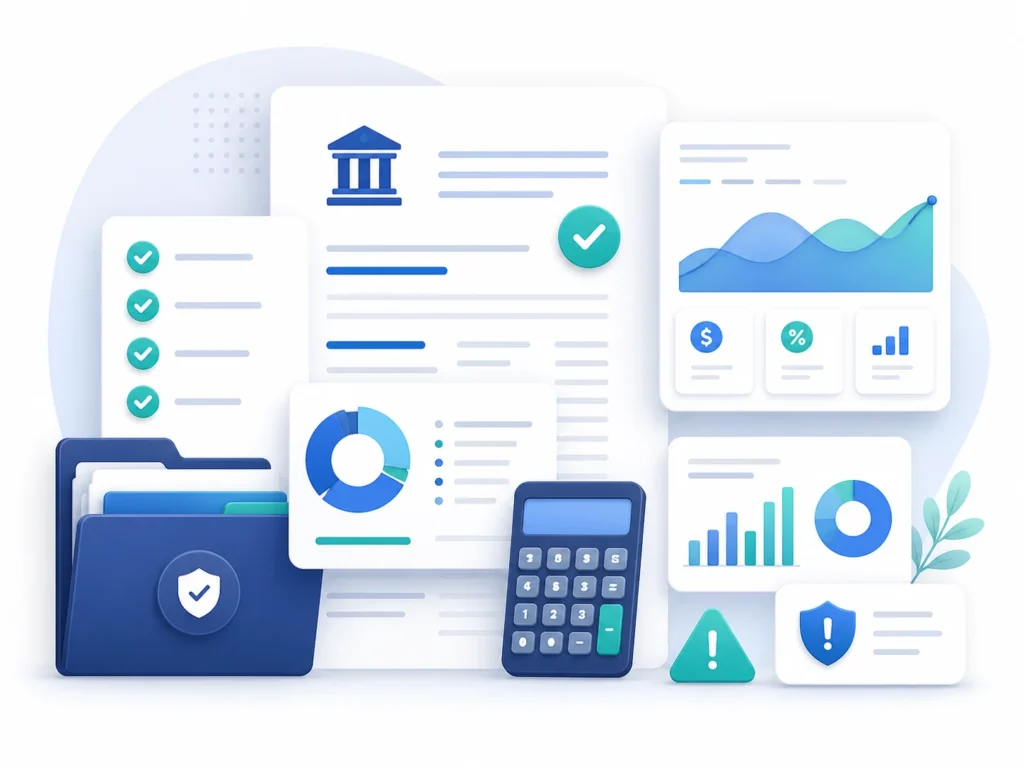
Learning to manage accounts payable and receivable is one of the most practical ways to protect your cash flow. For many small businesses in Allen and across North Texas, these two accounts are where cash-flow trouble starts. They track the money you owe and the money owed to you. Handle them well and cash moves through your business smoothly. Handle them poorly and you can be profitable on paper yet short on cash. This guide covers the basics, a simple workflow for each, and how to read an aging report.
AP vs AR Basics
The two terms are easy to mix up, so here is a simple way to keep them straight.
- Accounts payable (AP) is money you owe to others. Think of unpaid supplier bills and vendor invoices. You pay them.
- Accounts receivable (AR) is money others owe you. Think of invoices you have sent that are not paid yet. You receive them.

A quick memory trick: payable means you pay, receivable means you receive. Both are about timing, and both affect how much cash you have on hand at any moment. A large bill due next week and a big invoice a client has not paid can both squeeze your account in the same stretch, which is why you want to watch them together.
On your balance sheet, accounts payable is a liability, since it is money you owe, and accounts receivable is an asset, since it is money you expect to collect. Together they show a large part of your short-term financial position. Whether you run a shop in Allen or a service business across Collin County, these are the numbers that tell you if cash is about to get tight.
A Simple AP Workflow
A steady process keeps your bills under control. It does not need to be fancy. A few repeatable steps do the job.
- Record each bill as it arrives, with the amount and due date. The IRS recommends recording expenses when they occur and clearly identifying the source of business income.
- Verify it matches what you ordered and received.
- Schedule the payment so it is neither early to the point of straining cash nor late.
- Pay on time, then file the record with proof of payment. Keep the invoice, receipt, account statement, and proof of electronic payment together so you can support the transaction later.

Here is a worked example. A supplier sends a $600 invoice on the 1st, due in 30 days, with a 2% discount if you pay within 10. If you record it the day it arrives, you can decide on purpose: take the discount and pay $588 early, or hold your cash and pay $600 by the 30th. Either choice is fine. What you want to avoid is missing the date by accident and paying a late fee. Paying on time can also help protect your relationship with a vendor you rely on.
AR and Getting Paid Faster
Your receivables are cash waiting to arrive. A few habits can help it arrive sooner.
- Invoice promptly, ideally the day the work is done.
- State clear terms and a due date, such as net 15 or net 30.
- Make paying easy by offering simple payment options.
- Follow up on overdue invoices in a steady, polite way.
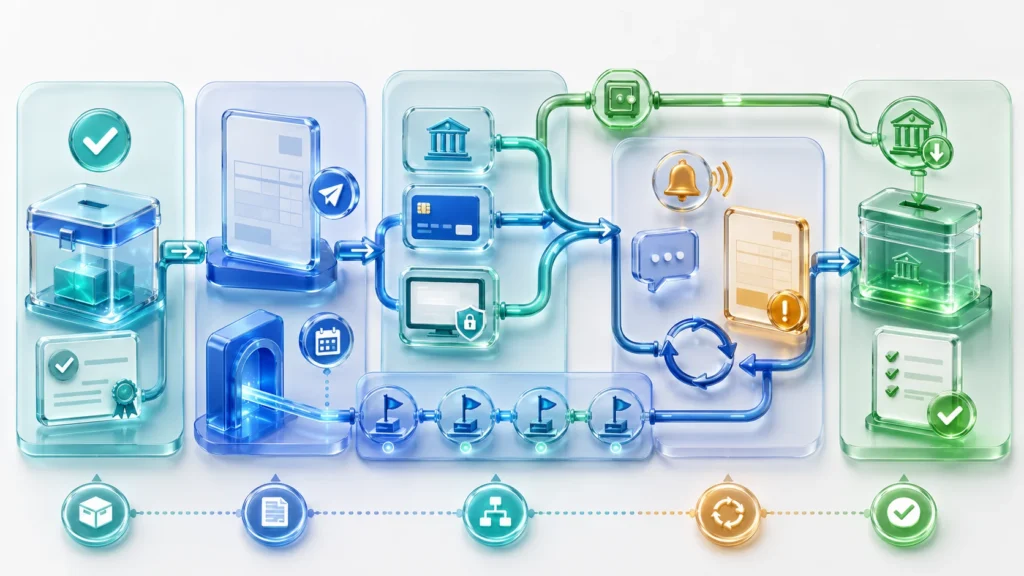
Consider an example. You finish a project and invoice a client $2,000 with net-15 terms. If the invoice goes out the day you finish, you can expect payment around day 15. If it sits on your desk for a week first, you have added a week to your wait for no reason. For larger jobs, asking for a deposit up front or billing at milestones can keep cash coming in while the work is underway.
It also helps to set credit terms before you take on a big new customer. Agreeing on the due date, and for large orders a deposit, up front can prevent awkward conversations later. Clear terms protect both the relationship and your cash.
To see how this plays out, picture a small contractor working across Allen and nearby Collin County. During a busy season, finished-job invoices pile up because no one has time to send them. By setting aside a regular time each week to invoice and follow up, that owner can turn a stack of overdue payments into a steadier, more predictable inflow. The work does not change. The timing of the cash does.
Aging Reports
An aging report is one of the most useful tools for both accounts. It groups what you owe, or what you are owed, by how long it has been outstanding.
Reports usually sort amounts into buckets: current, 1 to 30 days, 31 to 60 days, and 61 or more days past due. An AR aging report might show $5,000 current, $1,200 at 30 days, and $800 at over 60 days. That last bucket is where your follow-up should focus, because older invoices are generally harder to collect.

An AP aging report does the same for your bills, so you can see what is coming due and plan payments. Many Allen business owners find that reviewing both on a regular schedule, weekly or every couple of weeks, keeps surprises to a minimum. For invoices in the oldest bucket, decide on a next step, such as a friendly reminder, a phone call, or a payment plan. The sooner you act, the better your odds of collecting.
Cash-Flow Impact
Accounts payable and receivable are the main levers of your day-to-day cash flow. When customers pay on time and you pay your bills on a sensible schedule, cash tends to move smoothly. When receivables pile up or bills bunch together, even a profitable business can feel tight.
One goal ties the two together: try to collect from customers at least as quickly as you pay your suppliers. When money tends to come in before it goes out, cash flow is easier to manage. When it runs the other way, you may need a cash reserve to bridge the gap.

Your aging reports show what is happening now and what is currently due. To look ahead, pair them with a short cash-flow forecast that includes expected collections, upcoming bills, payroll, and any debt payments. Together, the current picture and a simple forecast can show whether a squeeze may be approaching, so you can act early. For the bigger picture, see our guide on why bookkeeping matters for small businesses.
Common Questions from Allen Business Owners
How often should a business in Allen review AP and AR? Many owners review both weekly or every couple of weeks. The exact interval matters less than keeping a regular schedule you actually follow.
Should a small business in Collin County outsource bookkeeping? It depends on your time and how complex your finances are. If AP and AR follow-ups keep slipping, or you are adding staff, outsourcing can help. Many owners start with a consultation to weigh the trade-offs.
How do bookkeeping services work for an Allen business? Typically a bookkeeper records transactions, reconciles accounts, manages payables and receivables, and sends regular reports, monthly or more often. The exact scope depends on your needs.
We Manage It
Staying on top of AP and AR takes consistency more than complexity. The hard part for most owners is finding the time each week to record, review, and follow up. That is where a bookkeeper helps.
At Tax by Lonestar, our bookkeeping services include managing payables and receivables for small businesses in Allen and the surrounding Collin County area. We also handle tax preparation and payroll, so your books, taxes, and pay runs stay in one place, and your cash flow stays visible.

Book a free bookkeeping consultation and let’s get your payables and receivables under control. Schedule your consult.
This guide is general information, not tax or accounting advice. Rules and terms vary by business. Please talk to a qualified professional about your situation before you act.