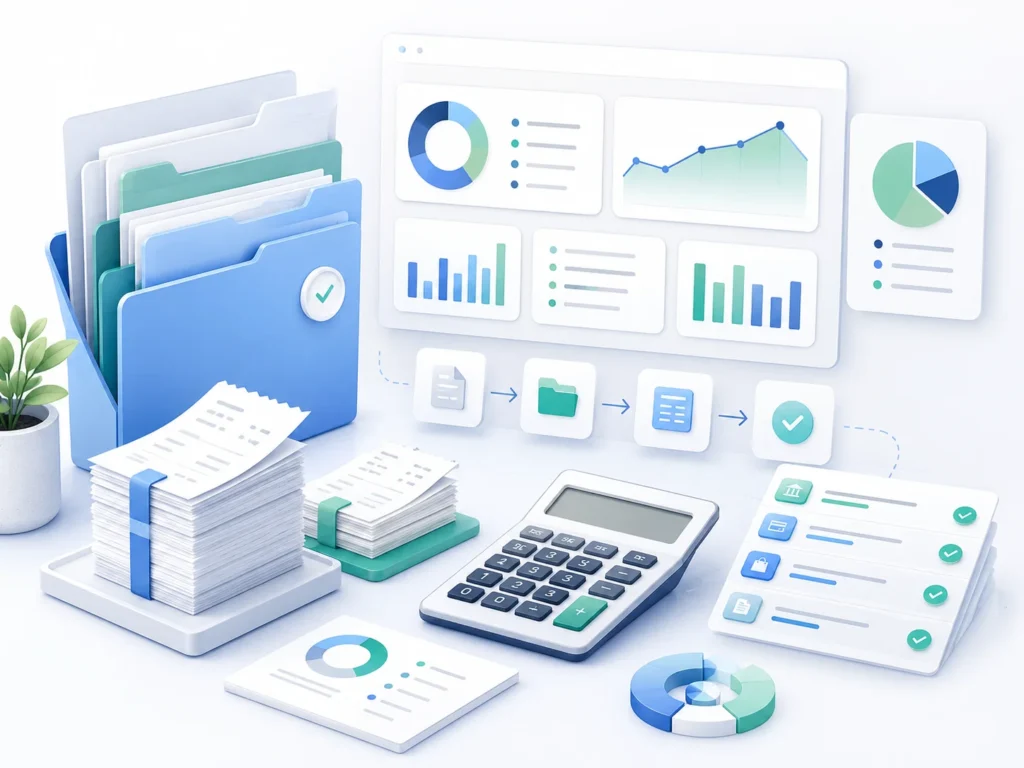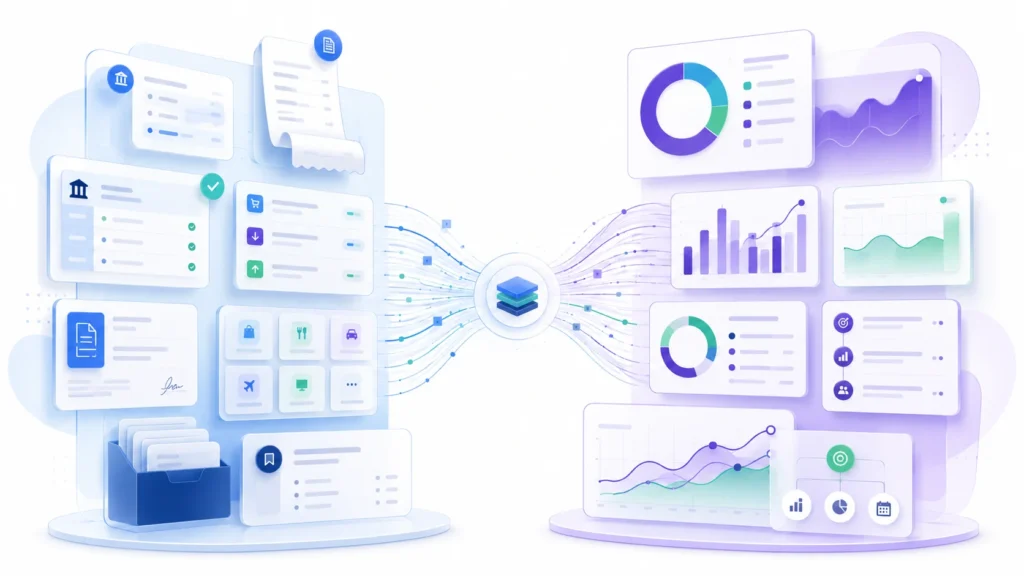
Understanding bookkeeping basics for small businesses is essential for entrepreneurs who want to maintain accurate financial records, track expenses, and prepare taxes efficiently. Bookkeeping provides the financial foundation that helps business owners monitor performance, manage cash flow, and stay compliant with tax regulations.
For small businesses in Allen, TX, Plano, Frisco, McKinney, and surrounding North Texas communities, learning the fundamentals of bookkeeping can make daily financial management easier and simplify tax preparation during filing season.
This guide explains the core bookkeeping basics small business owners should know in 2026, including key financial records, bookkeeping tasks, and practical tips for maintaining organized accounts.
What Is Bookkeeping?
Bookkeeping is the process of recording, organizing, and maintaining financial transactions for a business. Every financial activity—whether income from customers or payments to vendors—must be documented.
Typical bookkeeping tasks include:
- Recording income and expenses
- Tracking invoices and payments
- Reconciling bank accounts
- Maintaining financial reports
- Organizing financial documentation
Accurate bookkeeping ensures that businesses maintain clear financial records throughout the year.
Why Bookkeeping Is Important for Small Businesses
Strong bookkeeping practices support many aspects of business operations.
Proper bookkeeping helps businesses:
- Track business income and expenses
- Monitor financial performance
- Prepare tax returns accurately
- Identify deductible expenses
- Maintain compliance with tax regulations
Many businesses in Allen, TX rely on organized bookkeeping systems to maintain financial clarity and support long-term growth.
Track All Business Income
One of the most important bookkeeping basics for small businesses is accurately recording all sources of income.
Income records may include:
- Customer payments
- Online sales transactions
- Client invoices
- Payment processor deposits
Tracking income ensures financial records reflect actual business revenue and helps prepare accurate financial reports.
Record and Categorize Business Expenses
Tracking expenses is essential for understanding business costs and identifying potential tax deductions.
Common business expenses include:
- Office supplies
- Software subscriptions
- Marketing expenses
- Professional services
- Travel costs
Categorizing expenses properly helps businesses maintain accurate financial records and prepare tax filings efficiently.
Reconcile Bank and Credit Card Accounts
Bank reconciliation is the process of comparing business financial records with bank statements to ensure all transactions are recorded correctly.
This process helps businesses:
- Identify missing transactions
- Detect accounting errors
- Confirm accurate financial balances
Monthly reconciliation is a common bookkeeping practice used by businesses in Allen, Plano, Frisco, and McKinney.
Maintain Key Financial Reports
Financial reports provide insight into business performance and are often required for tax preparation.
Important reports include:
Profit and Loss Statement
Shows revenue, expenses, and overall profit during a specific period.
Balance Sheet
Displays business assets, liabilities, and equity.
Cash Flow Report
Tracks how money moves in and out of the business.
These reports help business owners evaluate financial health and make informed decisions.
Keep Organized Financial Documentation
Businesses should maintain organized records of financial documents to support bookkeeping and tax preparation.
Important records include:
- Receipts for expenses
- Invoices issued to clients
- Bank statements
- Payment confirmations
- Tax filings
Digital storage systems can help businesses organize documents efficiently.
Separate Personal and Business Finances
A common bookkeeping mistake occurs when business and personal finances are mixed together.
To maintain accurate records, business owners should:
- Open a dedicated business bank account
- Use a business credit card for expenses
- Track business transactions separately
Separating finances improves bookkeeping accuracy and simplifies tax preparation.
Use Accounting Tools and Software
Many small businesses rely on accounting software to simplify bookkeeping tasks.
Popular tools often include:
- Cloud accounting platforms
- Expense tracking applications
- Digital receipt management systems
- Financial reporting dashboards
These tools help automate transaction recording and improve financial organization.
Tips for Maintaining Consistent Bookkeeping
Strong bookkeeping habits help ensure financial records remain accurate.
Helpful practices include:
- Updating bookkeeping records regularly
- Recording transactions weekly or monthly
- Reviewing financial reports periodically
- Saving digital copies of receipts
- Monitoring financial performance
Entrepreneurs in Allen, TX and surrounding North Texas communities often find that consistent bookkeeping helps simplify financial management and tax preparation.
Final Thoughts
Understanding bookkeeping basics for small businesses helps entrepreneurs maintain accurate financial records and manage business finances more effectively.
By tracking income and expenses, maintaining financial reports, reconciling accounts, and organizing documentation, small business owners can improve financial visibility and prepare for tax season with greater confidence.
For businesses in Allen, TX and nearby North Texas areas, consistent bookkeeping remains an essential part of successful financial management.
FAQ
What are the basics of bookkeeping for small businesses?
Bookkeeping basics include tracking income, recording expenses, reconciling bank accounts, and maintaining financial reports.
Why is bookkeeping important for small businesses?
Bookkeeping helps businesses monitor finances, prepare taxes, and maintain accurate financial records.
How often should bookkeeping be updated?
Many businesses update bookkeeping records monthly to maintain accurate financial data.
What financial reports should small businesses maintain?
Common reports include profit and loss statements, balance sheets, and cash flow reports.
Can bookkeeping help during tax season?
Yes. Organized bookkeeping helps ensure income and expenses are documented, making tax preparation easier.